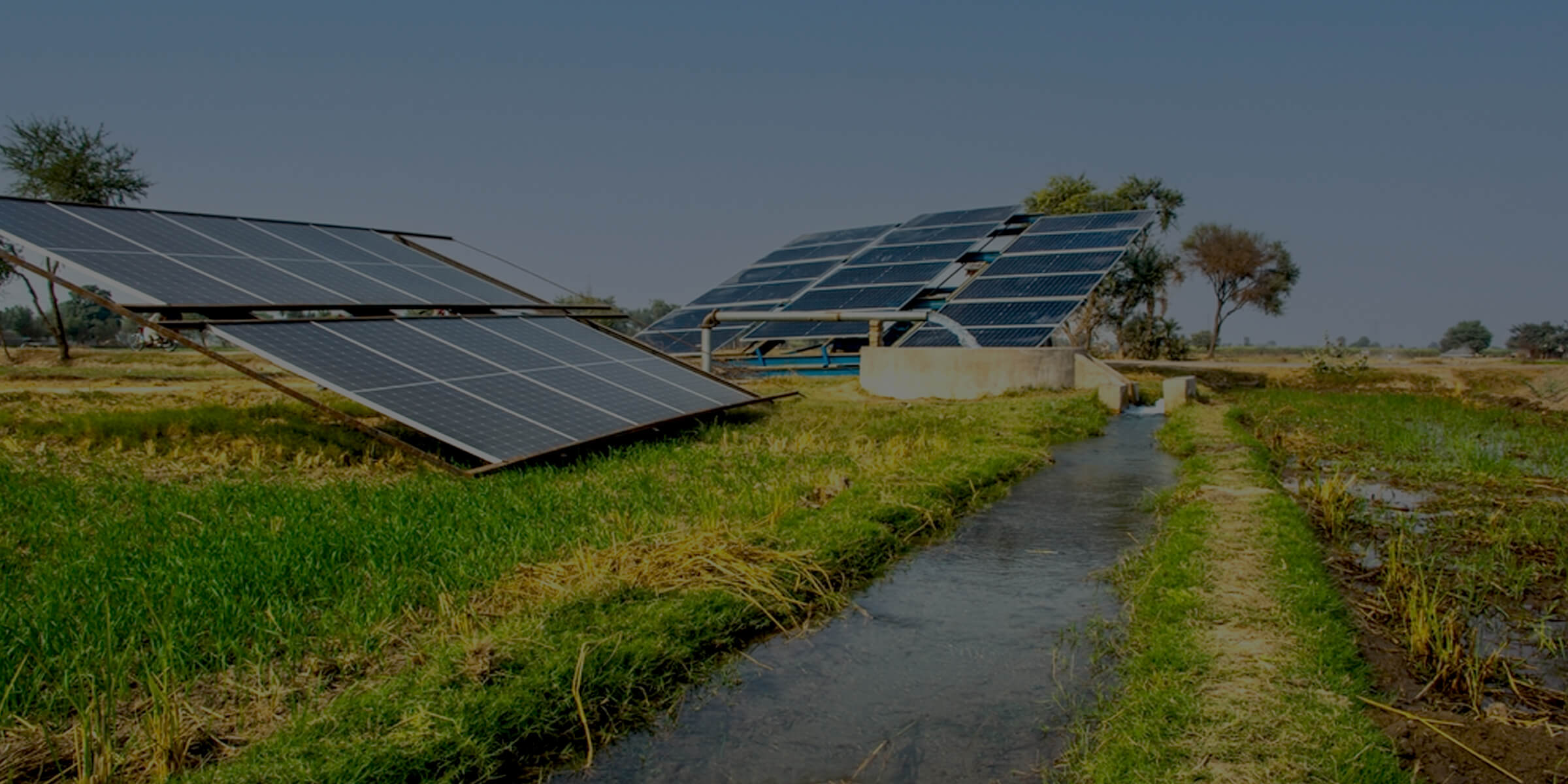
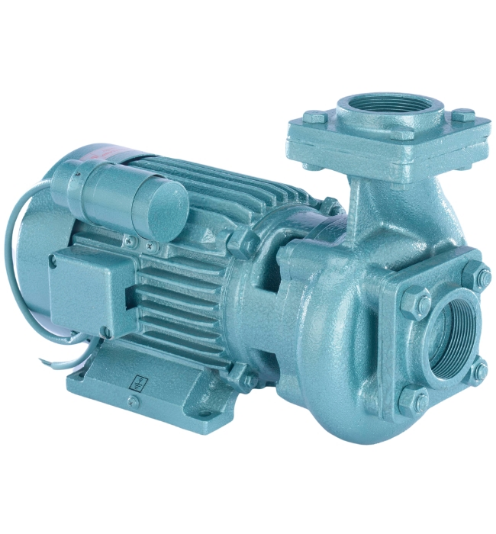
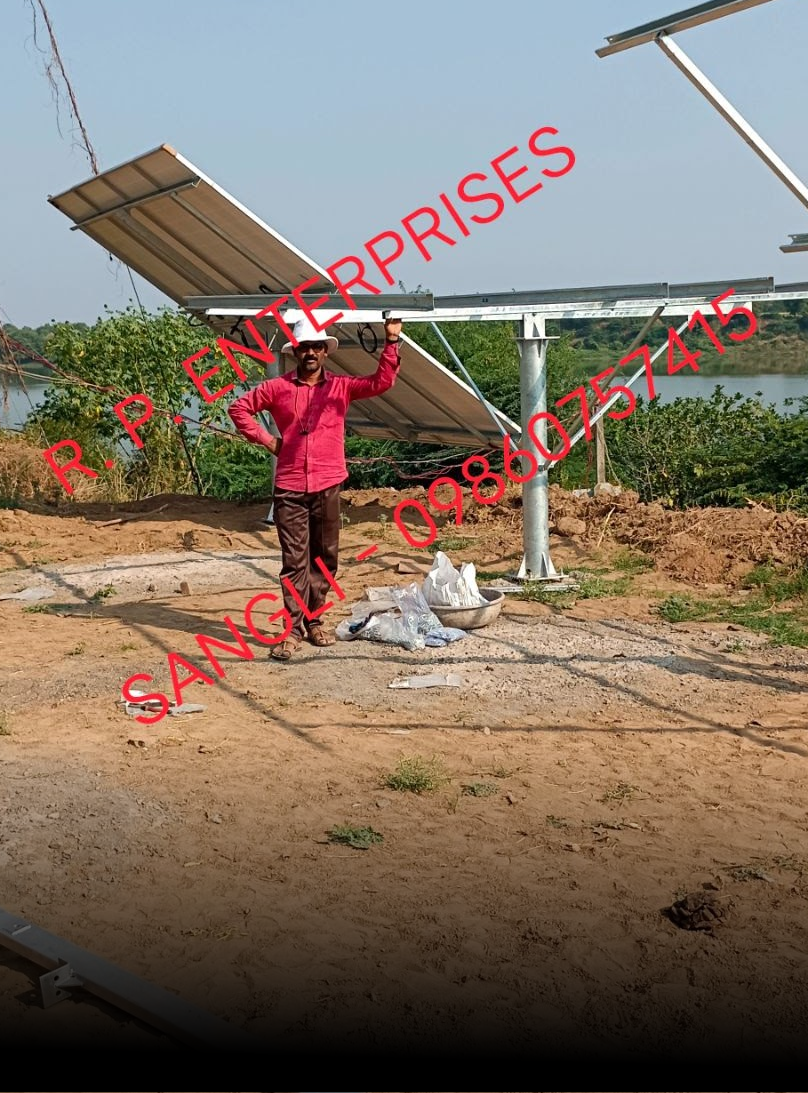
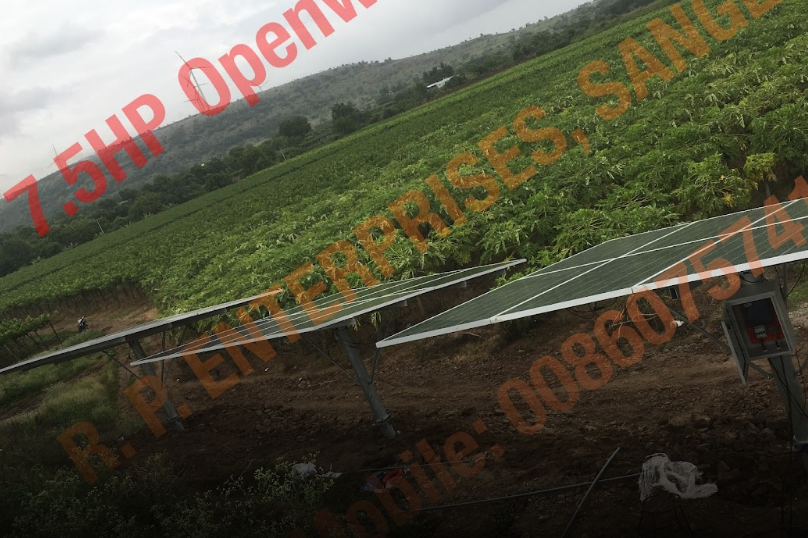
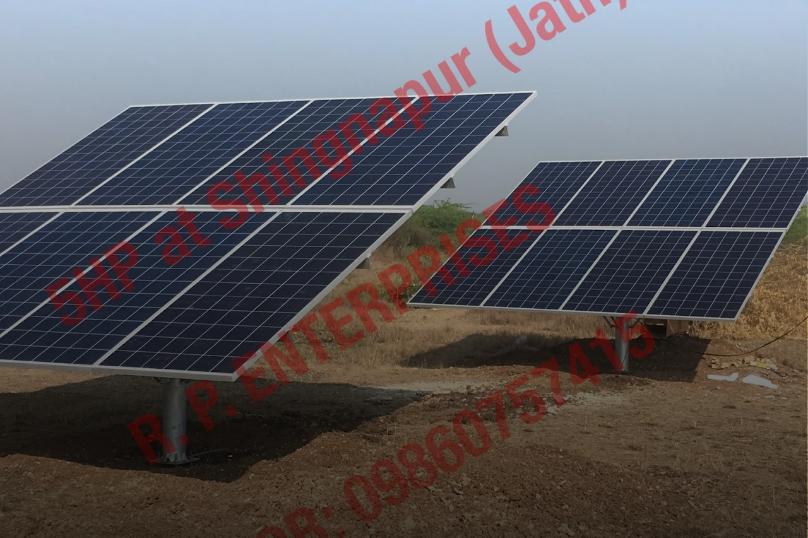
Alternating current (AC) water pumps use standard alternating current electricity, typically from the power grid, to move water. They are commonly used in various applications like residential water supply, irrigation, and industrial processes. AC pumps often operate on higher voltages (220V-440V) for efficient power transmission over longer distances. AC operated pumps can be run on solar. As our experience we found mono block pumps are not suitable for drip irrigation for solar power rest of all there is no issue to use ur existing pumps or new regular AC operated pumps.
Available range of AC pumps:
1 HP – 100 HP
✖
SEND QUICK INQUIRY
Alternating current (AC) water pumps use standard alternating current electricity, typically from the power grid, to move water. They are commonly used in various applications like residential water supply, irrigation, and industrial processes. AC pumps often operate on higher voltages (220V-440V) for efficient power transmission over longer distances. AC operated pumps can be run on solar. As our experience we found mono block pumps are not suitable for drip irrigation for solar power rest of all there is no issue to use ur existing pumps or new regular AC operated pumps.
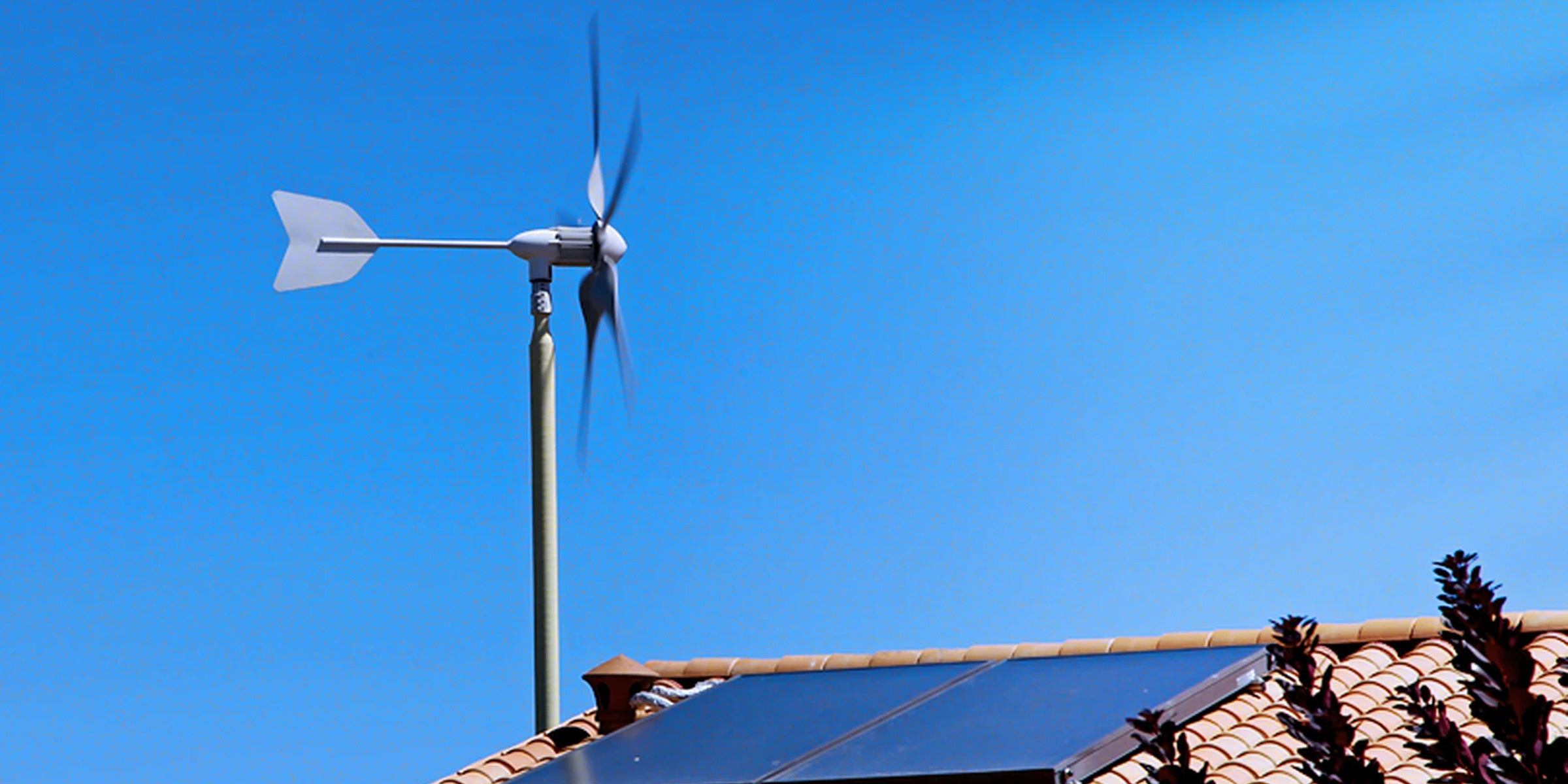
Harness the wind, power your future — clean, green, renewable.
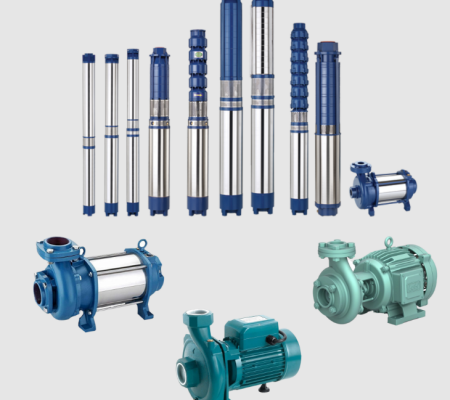
Types of AC pumps
Types of AC pumps
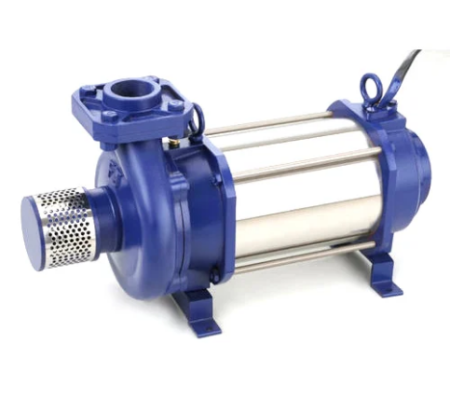
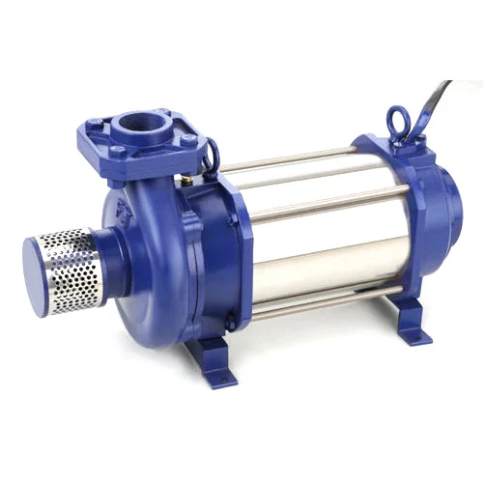
Open well submersible pump (Horitzontal)
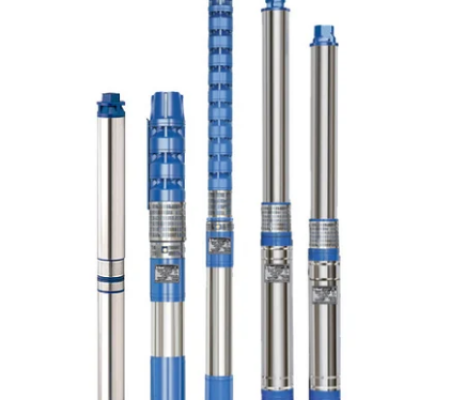
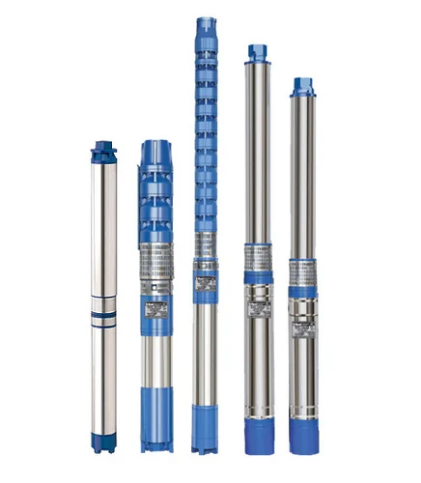
Vertical Submersible pump (Borewell)
Open well submersible pump (Horitzontal)
Vertical Submersible pump (Borewell)
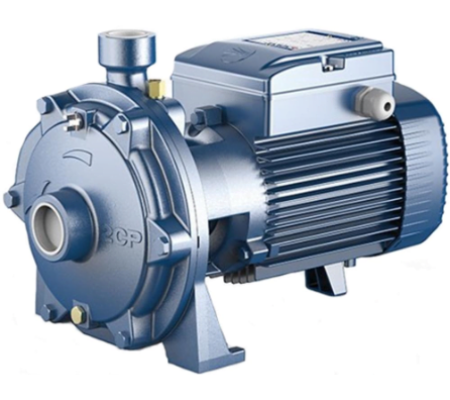
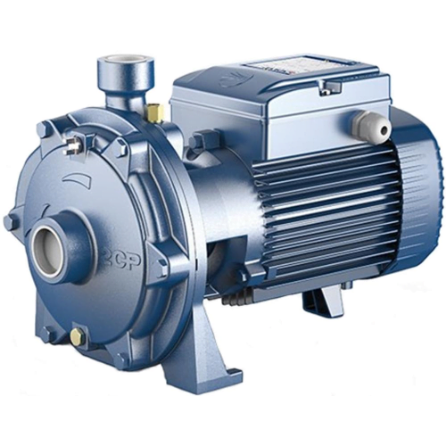
Surface pump
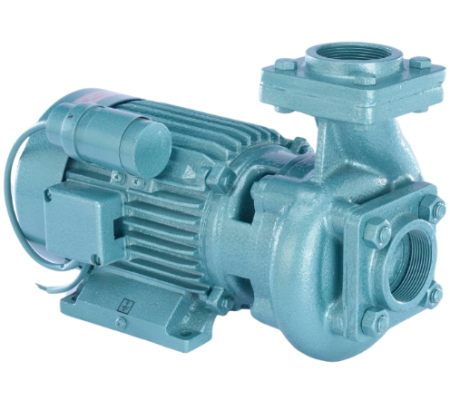
Mono block pump
Surface pump
Mono block pump
APPLICATION / USES
APPLICATION / USES
Agriculture irrigation
In India, water is used in agricultural lands primarily for irrigation, which is the process of supplying water to crops to ensure their growth and productivity. Irrigation is crucial for increasing crop yields, especially in regions with limited rainfall.
Agriculture irrigation
In India, water is used in agricultural lands primarily for irrigation, which is the process of supplying water to crops to ensure their growth and productivity. Irrigation is crucial for increasing crop yields, especially in regions with limited rainfall.
Industrial sector
In India, industries primarily use water for cooling, cleaning, and manufacturing processes. Major water-intensive industries include thermal power plants, engineering (automobiles), pulp and paper, textiles, steel, sugar, and fertilizers. Specifically, thermal power plants are the largest consumers, accounting for a significant portion of industrial water usage. In India, industries heavily rely on water for various processes, with thermal power plants being the most water-intensive. Other significant water-consuming industries include engineering(especially automobiles), pulp and paper, textiles, steel, sugar, and fertilizer production. Water is used for cooling, cleaning, processing, and other operations essential to these industries. In India, industries have varying water requirements, with some sectors being significantly more water-intensive than others. Major water-intensive industries include thermal power plants, pulp and paper, textiles, steel, and sugar.
Industrial sector
In India, industries primarily use water for cooling, cleaning, and manufacturing processes. Major water-intensive industries include thermal power plants, engineering (automobiles), pulp and paper, textiles, steel, sugar, and fertilizers. Specifically, thermal power plants are the largest consumers, accounting for a significant portion of industrial water usage. In India, industries heavily rely on water for various processes, with thermal power plants being the most water-intensive. Other significant water-consuming industries include engineering(especially automobiles), pulp and paper, textiles, steel, sugar, and fertilizer production. Water is used for cooling, cleaning, processing, and other operations essential to these industries. In India, industries have varying water requirements, with some sectors being significantly more water-intensive than others. Major water-intensive industries include thermal power plants, pulp and paper, textiles, steel, and sugar.